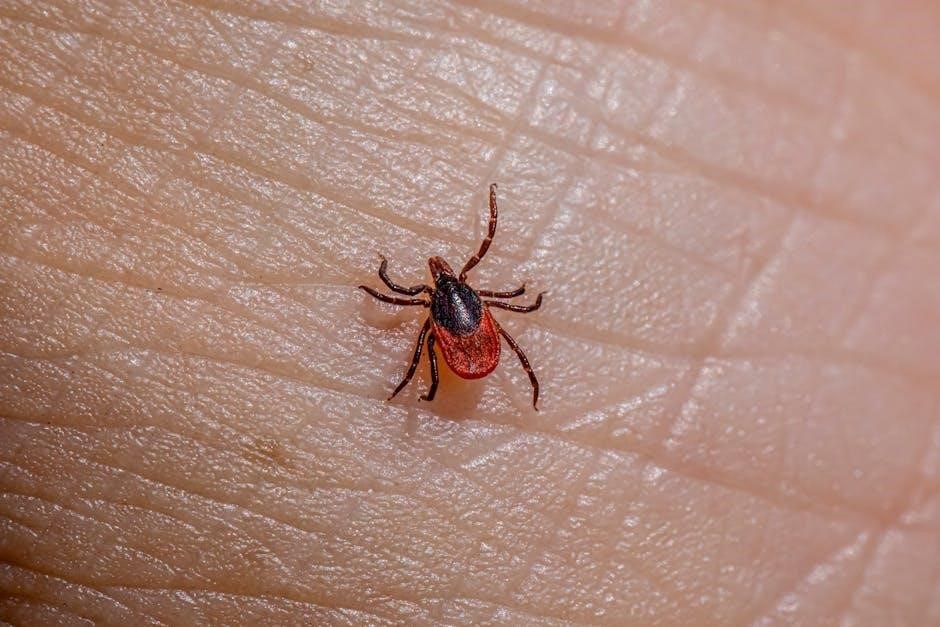
Adams Flea and Tick Home Spray Instructions: A Comprehensive Guide
This guide details effective use of Adams spray, addressing infestations and providing safety measures for homes, pets, and families.
Understanding the Product
Adams Flea and Tick Home Spray is designed for comprehensive pest control within residential environments. It’s a crucial step in managing infestations, targeting fleas, ticks, and lice that can affect both pets and households. The spray functions by disrupting the nervous systems of these insects, leading to their elimination.
Understanding its formulation is key; it typically contains insecticides and insect growth regulators. These components work synergistically – the insecticides provide immediate kill, while the growth regulators prevent immature fleas from developing into adults, breaking the life cycle. Proper application, as detailed in the following sections, maximizes its effectiveness and ensures a pest-free living space.
What is Adams Flea and Tick Home Spray?
Adams Flea and Tick Home Spray is a widely available insecticide formulated to control fleas, ticks, and lice within indoor spaces. It’s a ready-to-use spray designed to treat carpets, rugs, upholstery, and pet bedding – common areas where these pests thrive. The product aims to eliminate existing infestations and prevent re-infestation by targeting all life stages of the insects.
Unlike some treatments requiring professional application, Adams Home Spray is intended for homeowner use, offering a convenient solution for pest management. However, following the instructions carefully is paramount for safety and efficacy. It’s crucial to remember that this spray is specifically for indoor use and should not be applied directly to pets.
Key Ingredients and Their Functions
Adams Flea and Tick Home Spray typically contains ingredients designed to disrupt the nervous systems of fleas and ticks. Common active ingredients include permethrin and pyrethrins, both synthetic or naturally derived insecticides. Permethrin provides residual control, meaning it continues to kill pests for a period after application.
Pyrethrins offer a quick knockdown effect, rapidly incapacitating insects upon contact. Other ingredients often include inert components that act as carriers or solvents, ensuring even distribution of the active ingredients. These components also help the spray adhere to surfaces for better coverage and effectiveness. Understanding these ingredients is key to responsible and informed use.
Preparation Before Application
Prior to spraying, remove pets and people, cover fish tanks, and prepare the rooms for optimal treatment and safety during application.
Protecting Your Family and Pets
Ensuring the safety of your loved ones is paramount when using Adams Flea and Tick Home Spray. Before application, all people – including children – and pets (dogs, cats, birds, fish, etc.) must be removed from the area to be treated.
Cover or remove all pet food and water dishes. Aquariums and fish tanks should be completely covered to prevent exposure to the spray. Allow treated areas to dry thoroughly before permitting re-entry.
Consider the sensitivity of birds and reptiles; their removal is crucial as they are particularly vulnerable to the spray’s components.
Ventilation and Room Preparation
Proper ventilation is critical for safe and effective application of Adams Flea and Tick Home Spray. Before spraying, open all windows and doors to maximize airflow throughout the treated area. Utilize fans to further circulate the air, ensuring adequate ventilation during and after application.
Remove or cover all items sensitive to moisture, such as electronics and polished furniture. Clear the floor of clutter to allow for comprehensive spray coverage.
Close off any connecting rooms or hallways to confine the spray to the intended target area, preventing unwanted drift and exposure.
Identifying Infested Areas
Thoroughly inspect your home to pinpoint areas where fleas and ticks thrive. Focus on spots frequented by pets, such as their bedding, resting areas, and routes they commonly travel.

Pay close attention to carpets, rugs, and upholstered furniture, as these provide ideal breeding grounds. Examine cracks and crevices in flooring, along baseboards, and under furniture.
Look for signs of infestation, including live fleas or ticks, flea dirt (small black specks resembling pepper), and pet scratching or biting. Identifying these areas ensures targeted and effective application of Adams spray.

Application Instructions
Proper application of Adams spray is crucial for effectiveness. Always shake well, maintain appropriate distance, and ensure thorough coverage of targeted areas for optimal results.
Shake Well Before Use
Before each use of Adams Flea and Tick Home Spray, vigorous shaking is absolutely essential. This ensures that all active ingredients are properly mixed and evenly distributed throughout the solution. Insufficient mixing can lead to inconsistent application, reducing the spray’s effectiveness against fleas and ticks. Shake for at least 30 seconds, or until you hear the mixing ball move freely within the can.
Consistent agitation guarantees that each spray delivers the intended dose of insecticide. A well-mixed solution provides optimal coverage and penetration, maximizing the product’s ability to eliminate pests on contact and prevent re-infestation. Always re-shake the can if there’s a pause during application.
Spray Technique: Distance and Coverage
Achieving effective pest control with Adams spray relies on proper technique. Maintain a consistent spray distance of 12-15 inches from surfaces. This ensures adequate coverage without causing excessive wetness or runoff. Use a sweeping motion, applying a fine mist rather than saturating areas.
Overlap each spray pass slightly to avoid gaps and ensure complete coverage. Focus on areas where pests are likely to harbor, and remember that thoroughness is key. Avoid spraying directly into air vents. Test a small, inconspicuous area first to check for staining, especially on delicate fabrics. Consistent, even application maximizes the spray’s impact.
Targeted Application Areas
Effective flea and tick control demands focused application. Prioritize areas frequented by pets, as these are prime breeding grounds. This includes pet bedding, resting spots, and areas they groom themselves. Thoroughly treat carpets, rugs, and upholstered furniture, paying close attention to seams and crevices.
Don’t overlook baseboards, under furniture, and along doorways. These areas provide shelter for pests. Regularly inspect and treat areas where pets spend the most time. Remember, consistent application in targeted zones significantly reduces infestation levels and prevents re-infestation. Focus on high-traffic areas for optimal results.
Carpets and Rugs
Carpets and rugs are notorious flea havens, providing ideal conditions for larvae development. When applying Adams spray, lift rugs if possible to treat underneath. Thoroughly saturate the carpet fibers, ensuring the spray reaches the backing. Pay special attention to edges, corners, and areas under furniture where fleas often congregate.
Test a small, inconspicuous area first to ensure colorfastness. Allow the spray to dry completely before allowing pets or children to access the treated area. Vacuum thoroughly after the recommended waiting period to remove dead fleas and eggs. Repeat application as needed, following label instructions, for persistent infestations.
Upholstered Furniture
Upholstered furniture provides cozy harborage for fleas and their eggs, requiring careful treatment with Adams spray. Before application, remove all cushions and vacuum thoroughly, focusing on seams, crevices, and under cushions. Lift cushions and spray underneath, ensuring complete coverage of the fabric and frame.
Always test the spray on a hidden area first to check for colorfastness and fabric compatibility. Avoid over-saturation, which could damage the upholstery. Allow the furniture to air dry completely before allowing pets or people to sit on it. Re-vacuum after the recommended waiting period to remove any remaining debris and dead insects.
Pet Bedding
Pet bedding is a prime breeding ground for fleas and ticks, necessitating thorough and regular treatment with Adams Home Spray. Remove all bedding – blankets, pillows, and any washable covers – and launder them in hot water, followed by high-heat drying. This eliminates existing fleas and their eggs.
For items that cannot be washed, spray liberally, ensuring complete coverage. Pay close attention to seams, folds, and areas where your pet spends the most time. Allow the bedding to dry completely in a well-ventilated area before returning it to your pet’s sleeping space. Repeat treatment as needed, especially during peak flea season.
Post-Application Procedures
Proper ventilation, a designated waiting period, and surface cleaning are crucial after spraying to ensure safety and maximize treatment effectiveness.
Ventilation After Spraying
Following application of Adams Flea and Tick Home Spray, thorough ventilation is paramount. Open all windows and doors to create cross-drafts, allowing fresh air to circulate throughout the treated areas. Utilize fans to expedite the airing-out process, focusing on areas where the spray was heavily applied.
Continue ventilating for a minimum of four hours, or longer if odors persist. This removes residual spray particles and minimizes potential respiratory irritation for both humans and pets. Ensure adequate airflow reaches all corners of the room, including closets and under furniture. Proper ventilation is a critical step in ensuring a safe and effective treatment.
Waiting Period Before Re-entry
After applying Adams Flea and Tick Home Spray, a strict waiting period must be observed before re-entering treated areas. This ensures the spray has adequately dried and airborne particles have settled. Keep children and pets completely out of the sprayed rooms for at least four hours, even with ventilation.
For optimal safety, consider extending the waiting period to 24 hours, particularly for individuals with respiratory sensitivities. Upon re-entry, continue to ventilate the area for an additional hour. Avoid direct contact with treated surfaces until they are thoroughly dry to the touch. Adhering to this waiting period minimizes exposure and maximizes treatment effectiveness.
Cleaning Surfaces After Treatment
While Adams Flea and Tick Home Spray doesn’t typically require extensive cleaning, wiping down frequently contacted surfaces after the recommended waiting period is advisable. Use a damp cloth with mild soap and water to remove any potential residue. Avoid abrasive cleaners, as they could damage surfaces.
Pay particular attention to areas where children or pets frequently touch, such as floors, furniture, and countertops. Thoroughly wash pet bedding and any toys that may have come into contact with the spray. Vacuuming carpets and rugs after drying helps remove any remaining dead fleas or debris. Ensure adequate ventilation during and after cleaning.

Safety Precautions
Always prioritize safety when using Adams spray; proper handling, storage, and first aid knowledge are crucial for protecting your family and pets.
Handling and Storage
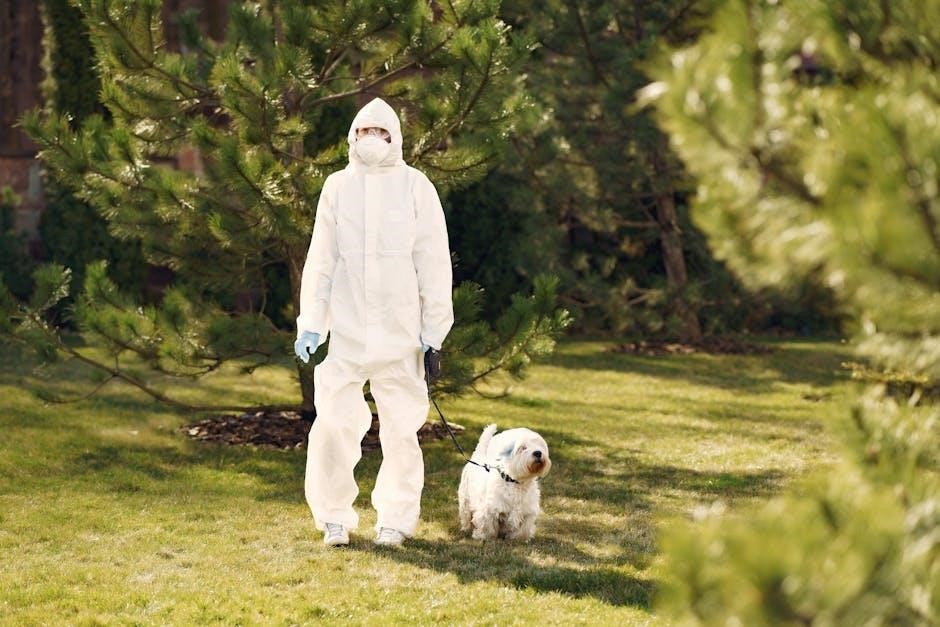
When handling Adams Flea and Tick Home Spray, always wear gloves and eye protection to avoid direct contact with the concentrated formula. Ensure adequate ventilation during application to minimize inhalation of spray mist. Keep the container tightly closed when not in use, storing it in a cool, dry place, away from direct sunlight and heat sources.
Crucially, store the spray out of reach of children and pets, preferably in a locked cabinet or storage area. Do not store near food, feed, or water supplies. Avoid freezing temperatures, as this may affect the product’s efficacy. Dispose of empty containers responsibly, following local regulations for pesticide waste. Never reuse the container for other purposes.
First Aid Measures
If swallowed, immediately call a poison control center or doctor; do not induce vomiting unless directed to do so by medical personnel. In case of eye contact, flush thoroughly with water for 15-20 minutes, lifting upper and lower eyelids occasionally. Seek medical attention if irritation persists.
For skin contact, wash the affected area with soap and water. If irritation develops, consult a doctor. If inhaled, move the person to fresh air. If breathing is difficult, administer oxygen and seek immediate medical help. Always have the product container readily available when seeking medical advice or treatment. Prompt action is crucial in minimizing potential adverse effects.
Environmental Considerations
Adams Flea & Tick Home Spray should be used responsibly to minimize environmental impact. Avoid direct application to bodies of water, including ponds, streams, and aquariums. Prevent spray drift onto vegetation outside of the treated area, as it can harm beneficial insects and wildlife.
Dispose of empty containers properly according to local regulations. Do not reuse containers for other purposes. Consider the potential impact on pets and wildlife that may come into contact with treated areas. Minimize overspray and target application to infested zones only. Responsible use helps protect the ecosystem and ensures long-term effectiveness.

Troubleshooting Common Issues
Addressing nozzle clogs or treatment failures requires identifying the cause and adjusting application techniques for optimal pest control results.
Spray Nozzle Clogging
A common issue with aerosol sprays like Adams Flea and Tick Home Spray is nozzle clogging, hindering effective application. This typically occurs due to residue buildup from the spray formula itself. To resolve this, first, detach the spray nozzle from the can, if possible, following the product’s instructions.
Soak the nozzle in warm, soapy water for approximately 15-20 minutes to dissolve any hardened residue. Gently use a small pin or needle to clear any visible obstructions in the nozzle’s openings – exercise caution to avoid enlarging or damaging them. Rinse thoroughly with clean water and reattach. If the nozzle remains clogged, consider using a fresh can of spray, as persistent clogging indicates a potential product defect.
Ineffective Treatment
If Adams Flea and Tick Home Spray appears ineffective, several factors might be at play. Insufficient coverage is a primary cause; ensure thorough application to all infested areas, including carpets, upholstery, and pet bedding, following label directions precisely. Re-infestation from untreated pets or outdoor sources is also common – treat all animals concurrently and address yard infestations.
Resistance to the active ingredients can develop over time. Consider alternating with a different insecticide with a different mode of action. Verify the product is being used correctly, paying attention to the waiting period before re-entry and proper ventilation. If problems persist despite diligent application, consult a veterinarian or pest control professional for alternative solutions.

Additional Resources
For further assistance and detailed information, explore the official Adams Flea & Tick website or consult with a qualified veterinarian promptly.
Adams Flea & Tick Website
The official Adams Flea & Tick website serves as a comprehensive hub for product information, detailed usage guides, and frequently asked questions. Visitors can find specific instructions tailored to each product within the Adams line, ensuring optimal effectiveness against fleas and ticks. Beyond application details, the website often features articles on flea and tick life cycles, preventative measures for your home and pets, and identification guides to help you understand the extent of an infestation.
Furthermore, the site provides access to safety data sheets (SDS) and contact information for customer support. Regularly checking the Adams website ensures you have the most up-to-date information regarding product formulations and best practices for pest control, contributing to a safer and more effective treatment process.
Veterinarian Consultation
Consulting with your veterinarian is crucial, especially when dealing with severe infestations or if your pet has sensitivities. A veterinarian can assess your pet’s overall health and recommend the most appropriate flea and tick control strategy, potentially complementing Adams Home Spray with other treatments. They can also advise on safe application techniques tailored to your pet’s species, age, and weight, minimizing any risk of adverse reactions.
Moreover, a vet can help differentiate between flea allergy dermatitis and other skin conditions. They can provide guidance on managing secondary infections resulting from flea bites and offer insights into preventative measures to avoid future infestations, ensuring your pet’s continued well-being alongside home treatment.